|
Tendinopathy is a generic term used to describe injuries to the tendon associated with inflammation and degeneration. It can be either characterised as a painful or pathological condition associated with overuse. Usually pain is associated with increased loads and a recognition that there has been a relative increase in inactivity. Pain is often reported as sharp early on and then becomes a dull ache weeks later. Pain may be present at the beginning of the activity then disappear during it, then returns on subsequent attempts of the activity. Tendinopathies are common as they have a poor blood or nutrient supply compared to skeletal muscles. In fact, the oxygen consumption of tendons is about 7.5 times lower than skeletal muscles. A relatively low metabolic rate results in generally slow healing after injury. Common tendinopathies seen at Acland Street Physiotherapy include:
Tendinopathies generally respond well to physiotherapy treatment. This could include treatment techniques such as manual therapy, extracorporeal shockwave and eccentric strengthening exercises to improve the load capabilities of the tendon. 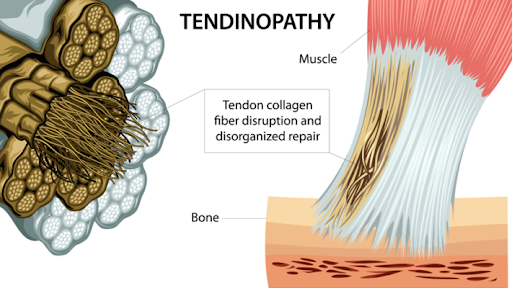
0 Comments
|
Author
Archives
May 2024
|
 RSS Feed